


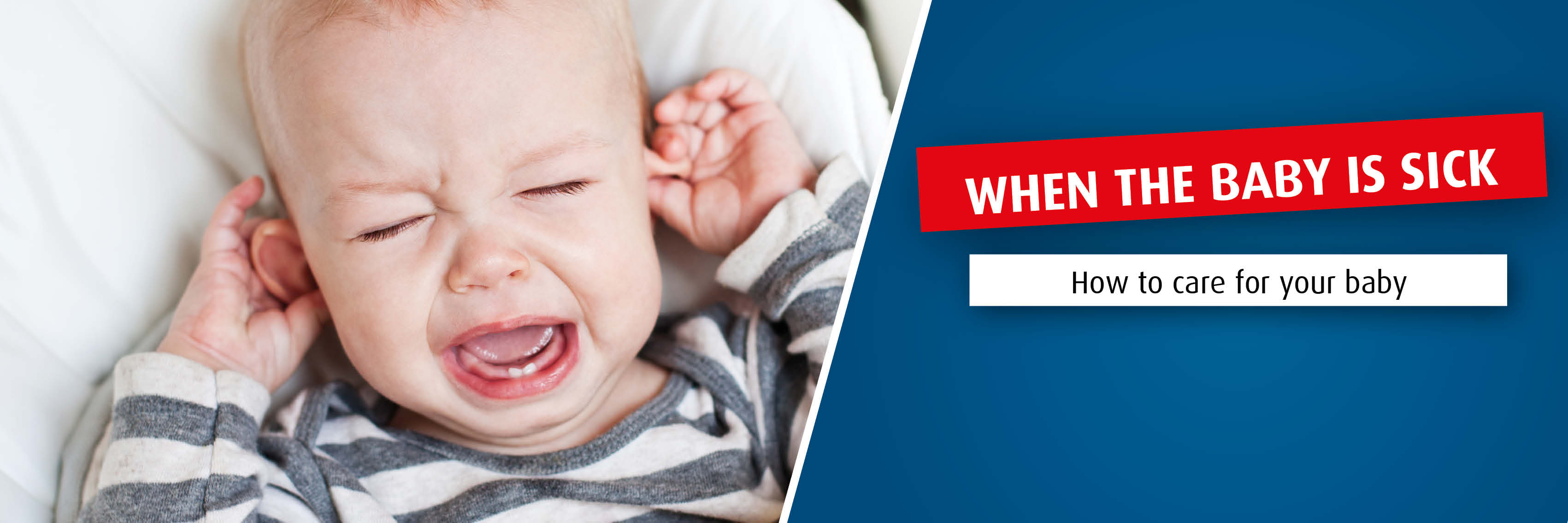
Is your baby sick?
Don't worry! we have everything that you should know so that your baby can get better soon!
Fevers in babies and small children
When your child has their first fever, you as a parent will probably also feel uneasy. You make sure to check their temperature often and keep them feeling warm. Even though you know that fevers are a normal part of life for your baby, it can be deeply worrying the first few times that it occurs.
Recognizing fevers
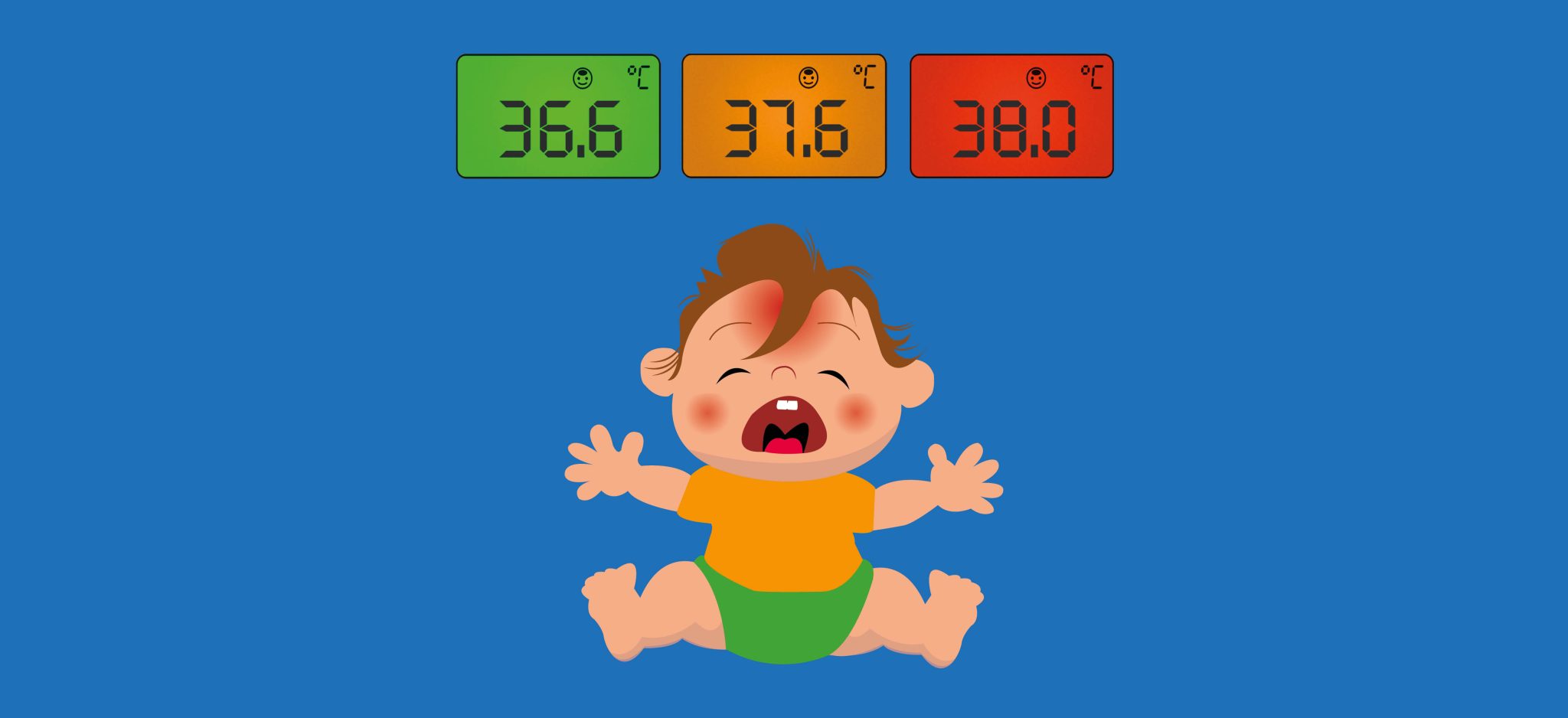
Elevated temperature or fever?
- 36.5 to 37.5° Celsius is the normal body temperature for a healthy child.
- 37.6 to 38.0° Celsius is an elevated temperature but is not yet a fever.
- From 38.0° Celsius and higher your baby has a fever. When your child is older 38.5 is considered the minimum for a fever, so babies are a bit more sensitive.
- From 39° Celsius or higher, it is considered a high-grade fever.
Signs of Fever
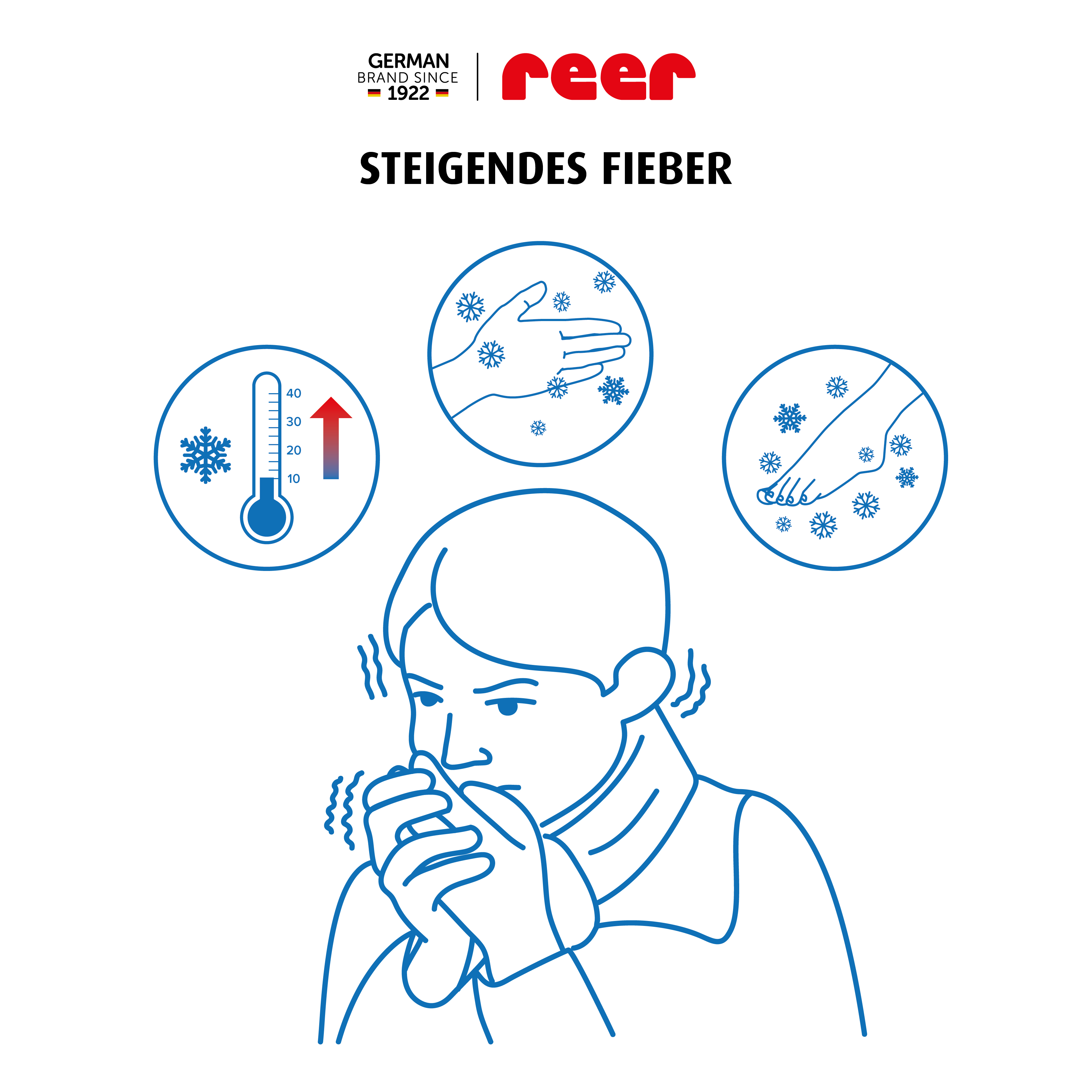
- Red, hot face
- Cool, pale skin
- Tired eyes
- Sleepy and weak
- Grouchy mood
- Little to no appettite
- Sometimes vomiting or diarrhoea
- Changing crying patterns (with a baby)
- Sensitive to touch
Properly measuring a fever
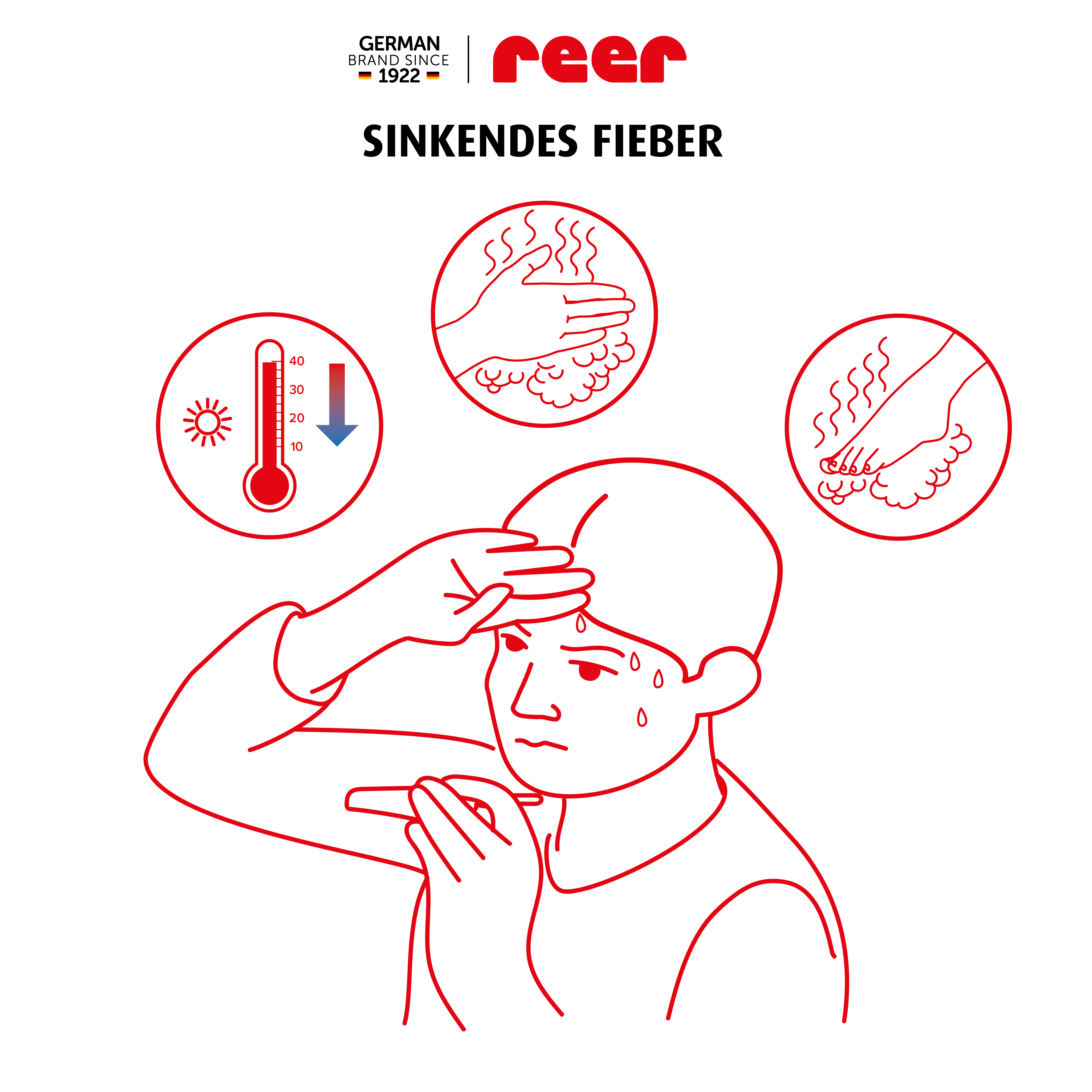
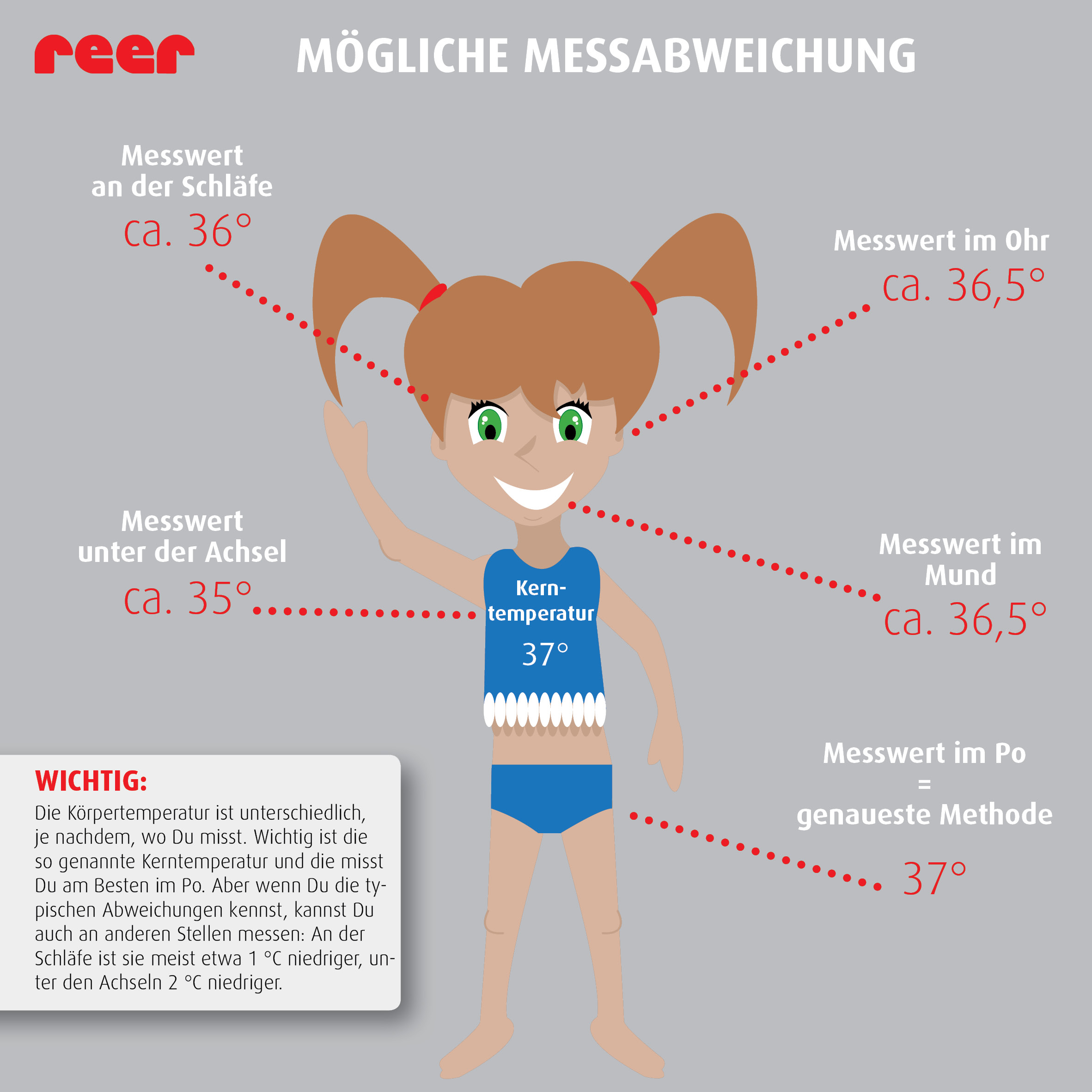
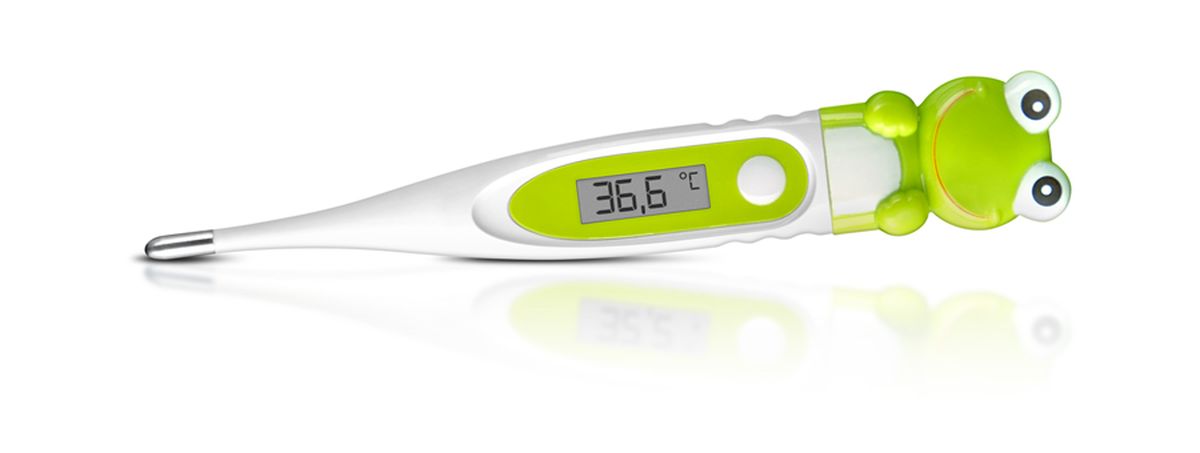
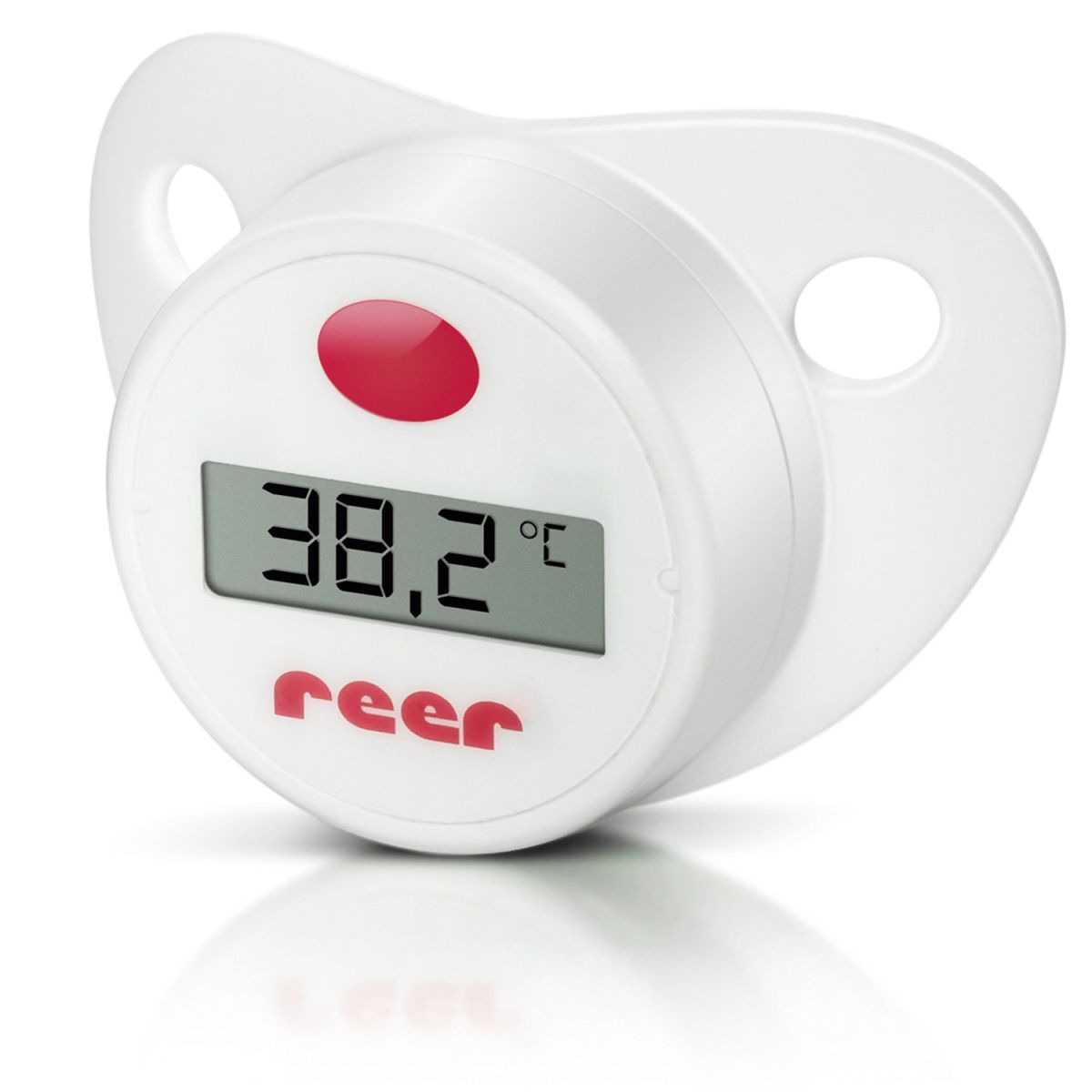
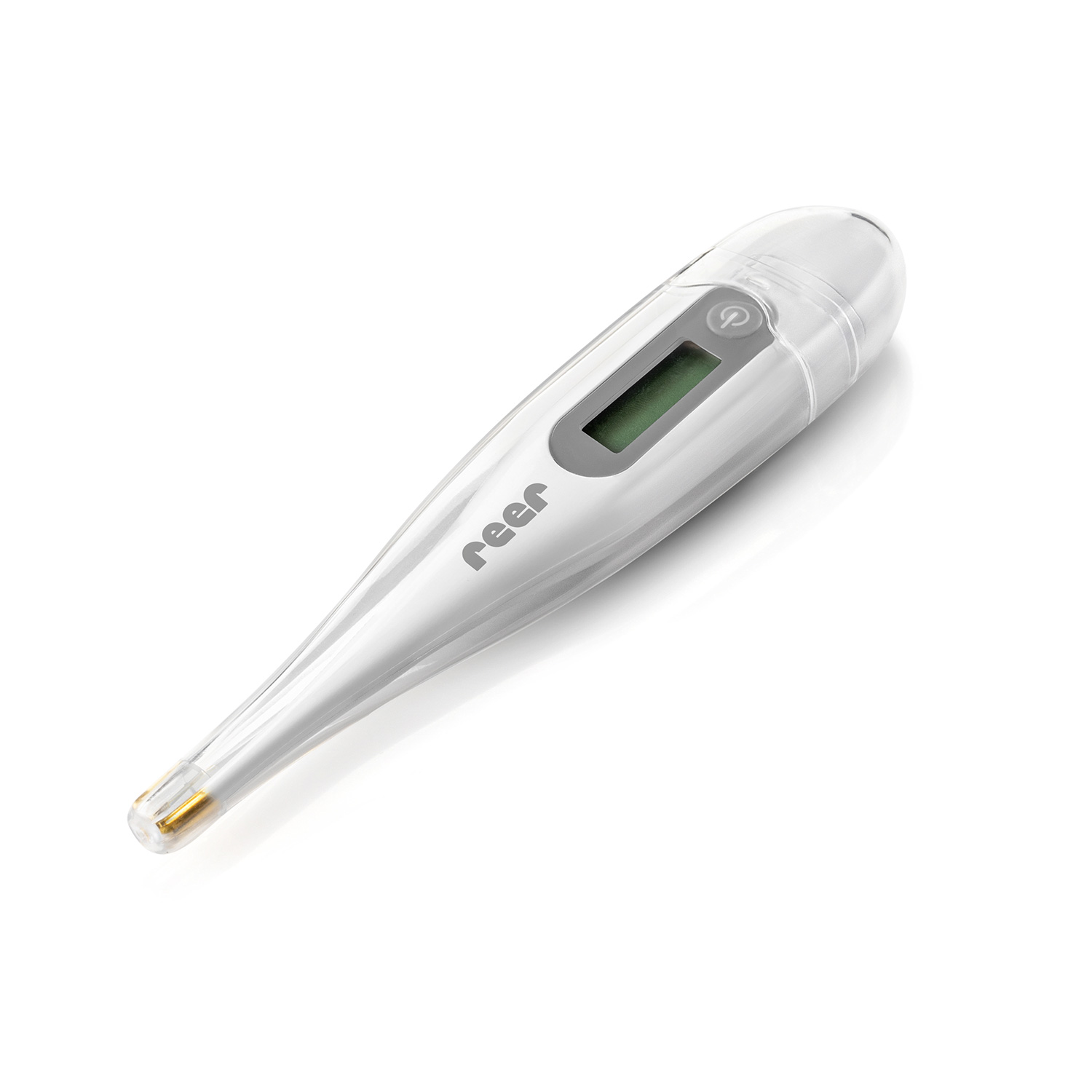
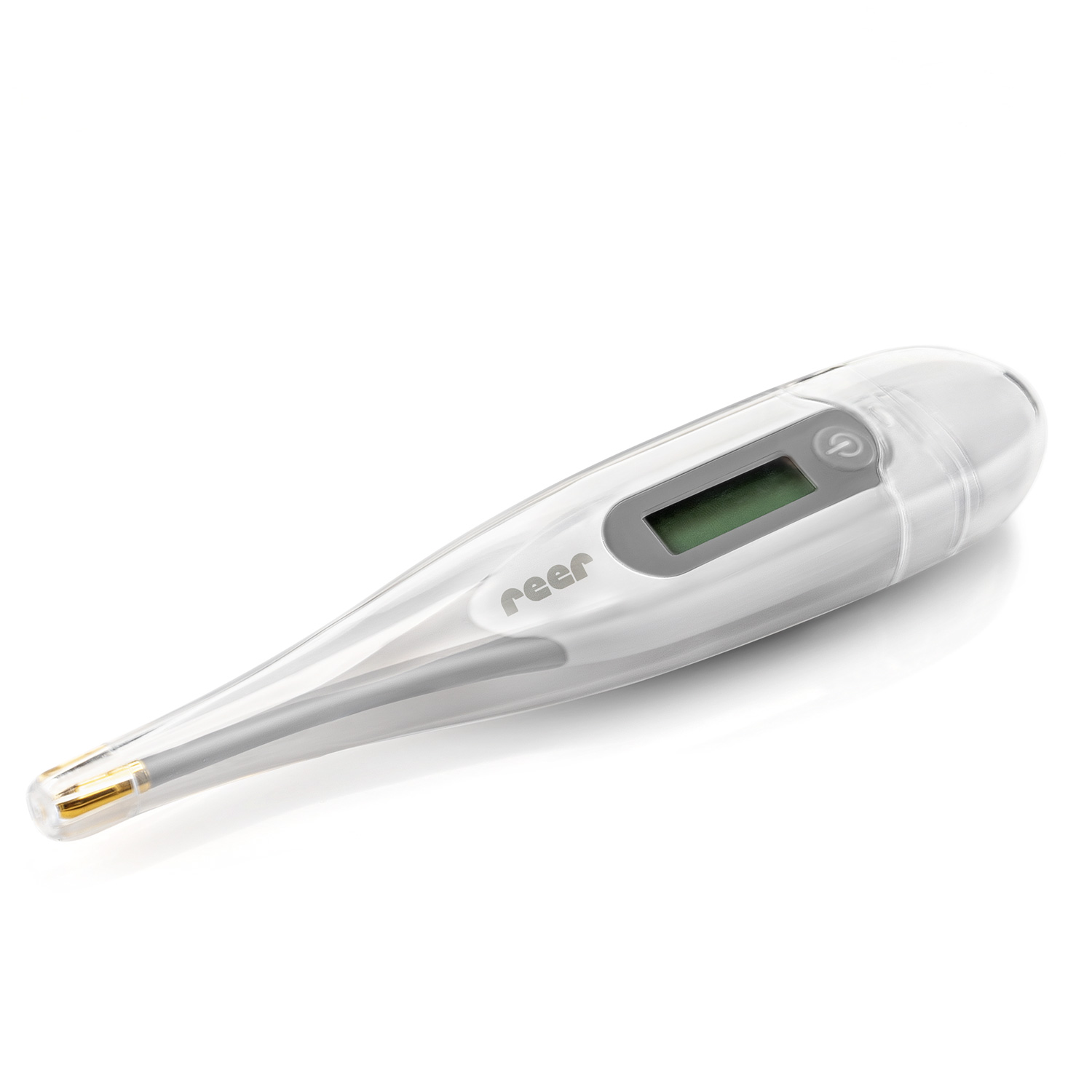
There are different ways to measure your child's fever. All have their own different advantages and disadvantages as well as different levels of exactness.
- The inner ear
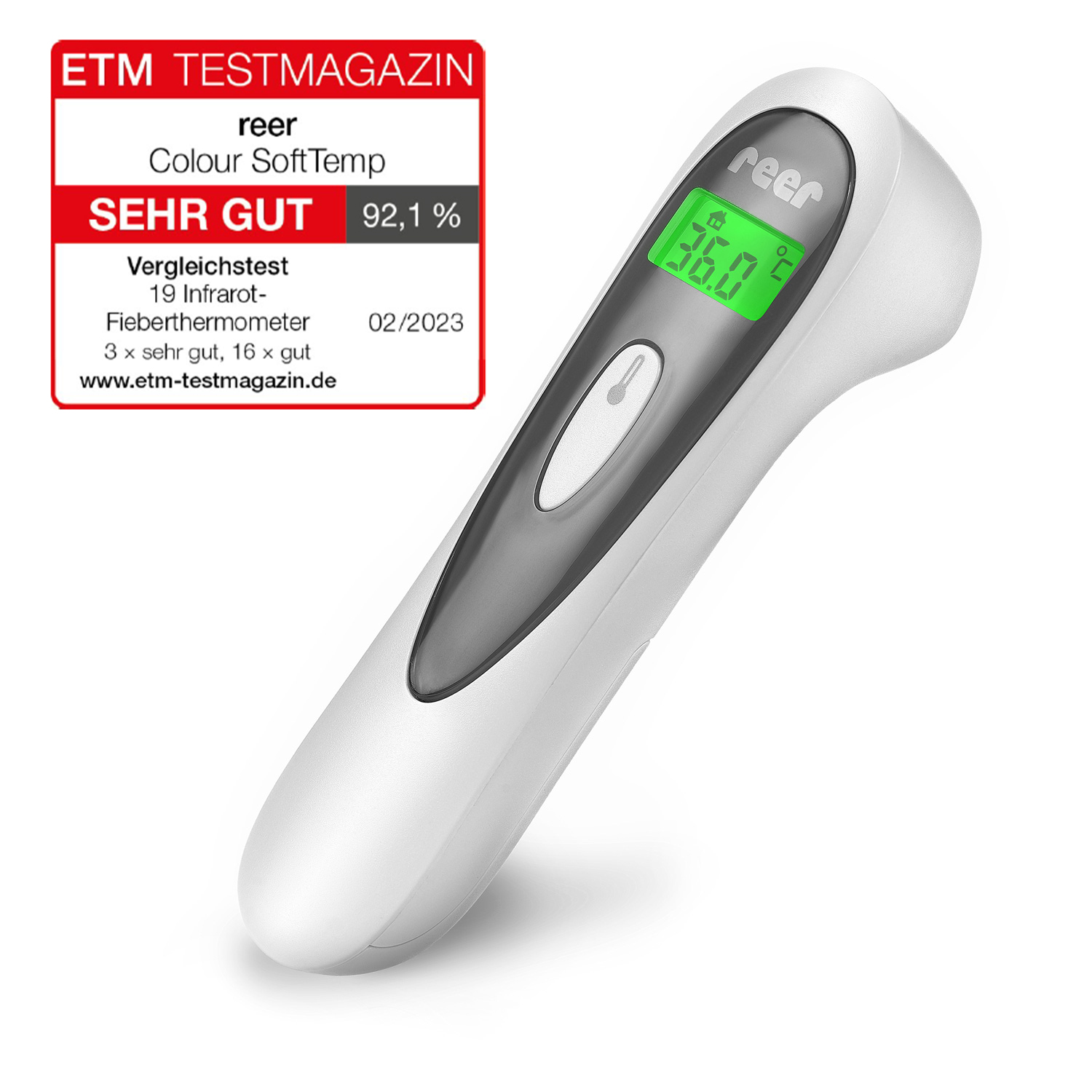
- The forehead
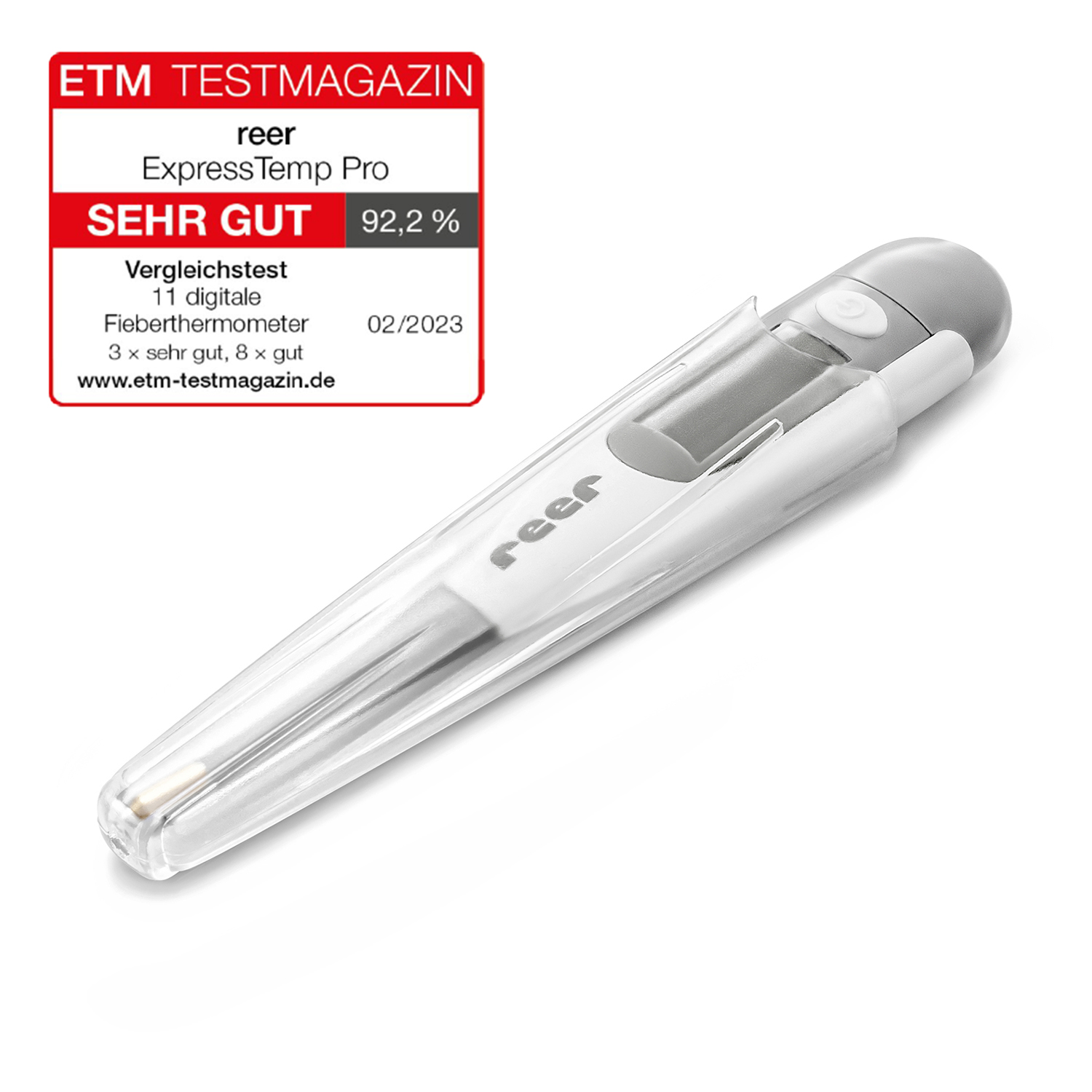
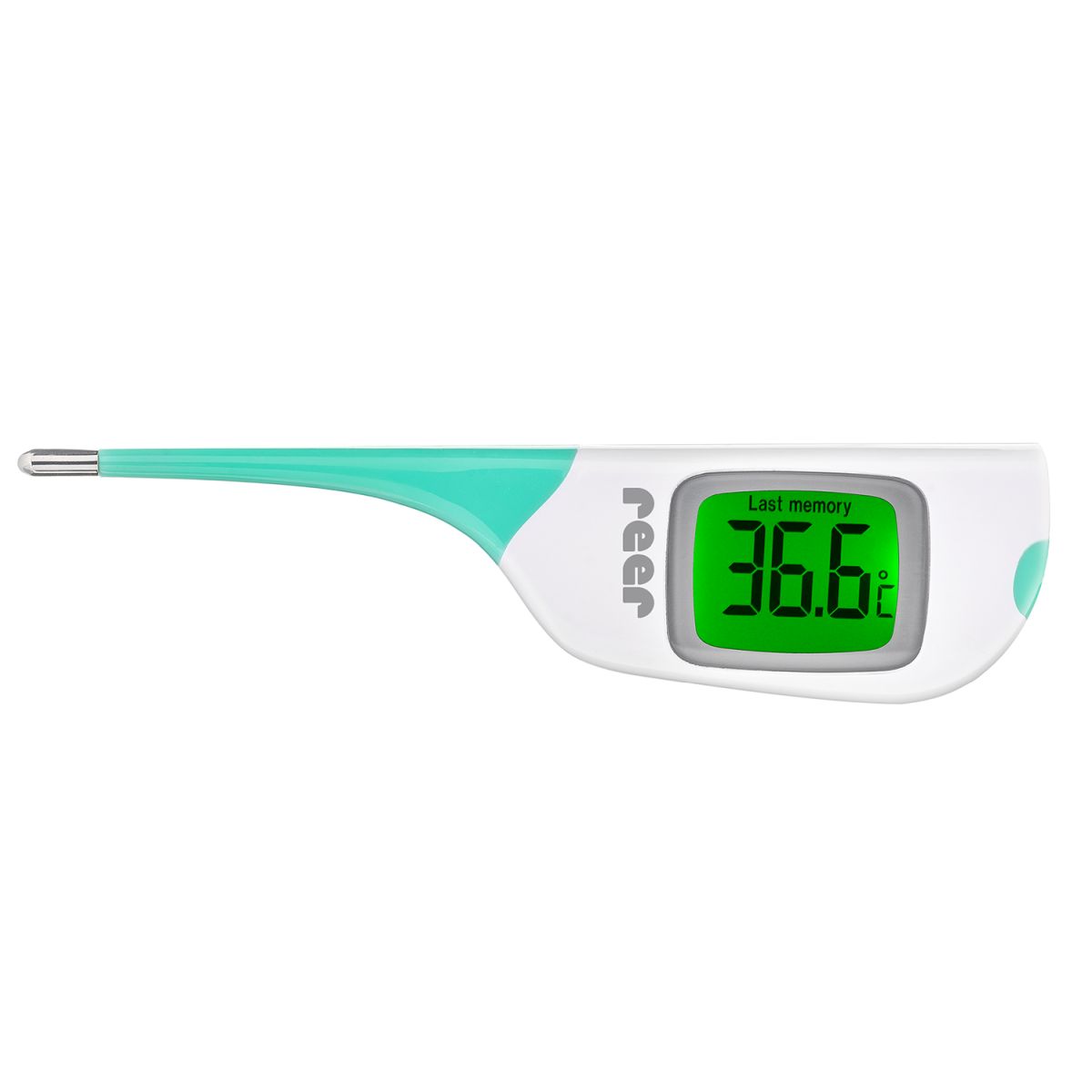
- The rectum
- In the mouth
- Under the armpits
Preventing Colds
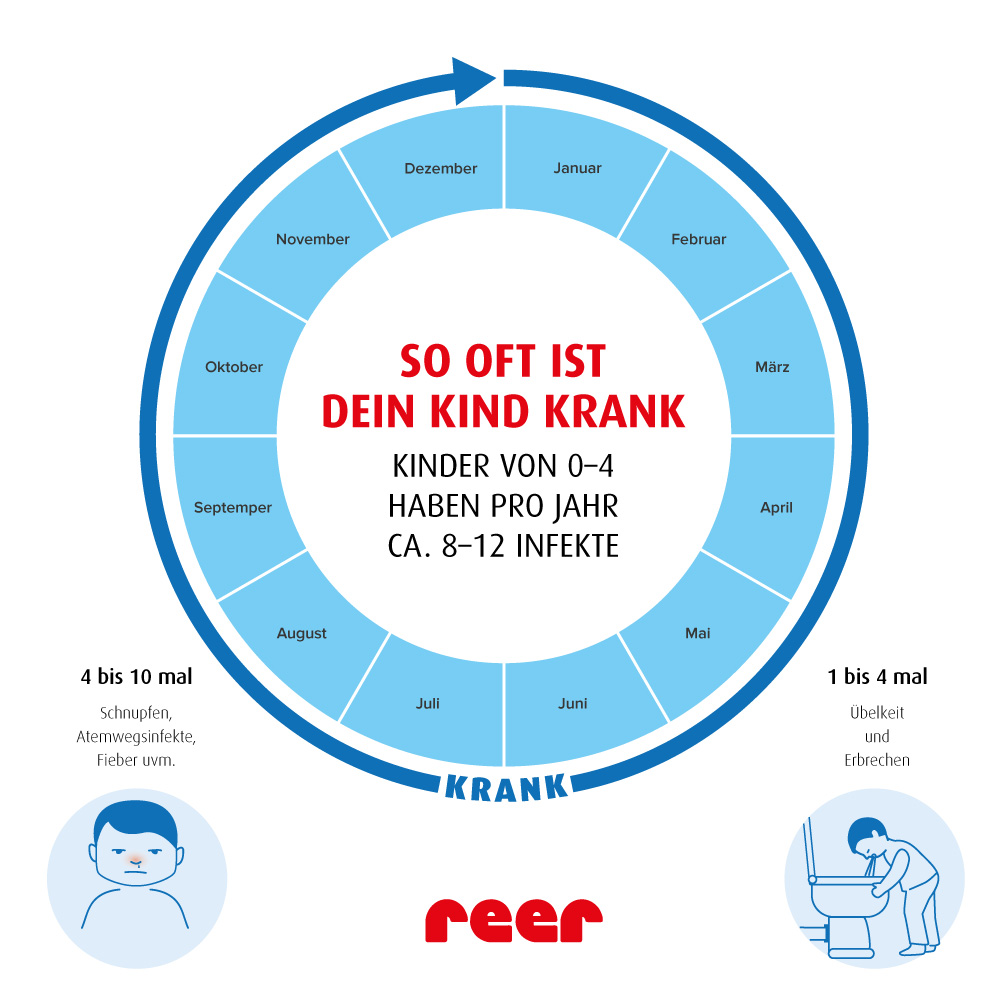
How can I prevent my baby or small child from catching a cold?
A relaxing bath
Baths indirectly prevent colds, by relaxing your baby. With a relaxed body, the immune system can work effectively to fight infections.
The optimal bath temperature for babies is between 36.5 and 38.0 °C. The optimal bath length depends on your child. You should bathe your child as long as they are having fun. A good rule of thumb is 5 Minutes for a child from zero to four months old and then five extra minutes for each additional month of age. The bathing fun is over when the bathwater becomes too cold or when the skin of your baby begins to wrinkle.
Immediate warmth to prevent chills
When you take your baby out of the bath, they will experience a dramatic change in temperature over a very short time. This is dangerous because babies cannot yet regulate their body temperature the way that an adult can.
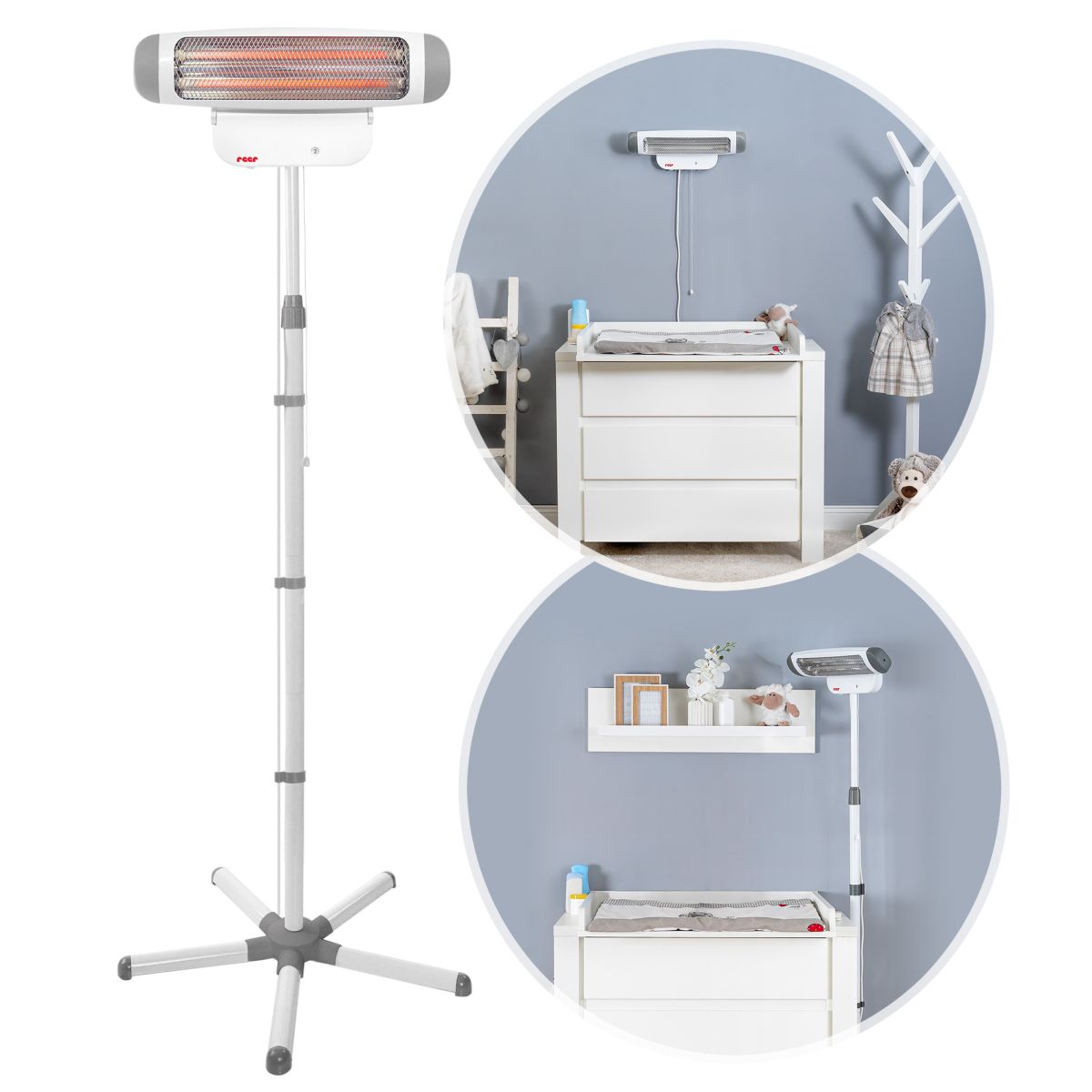
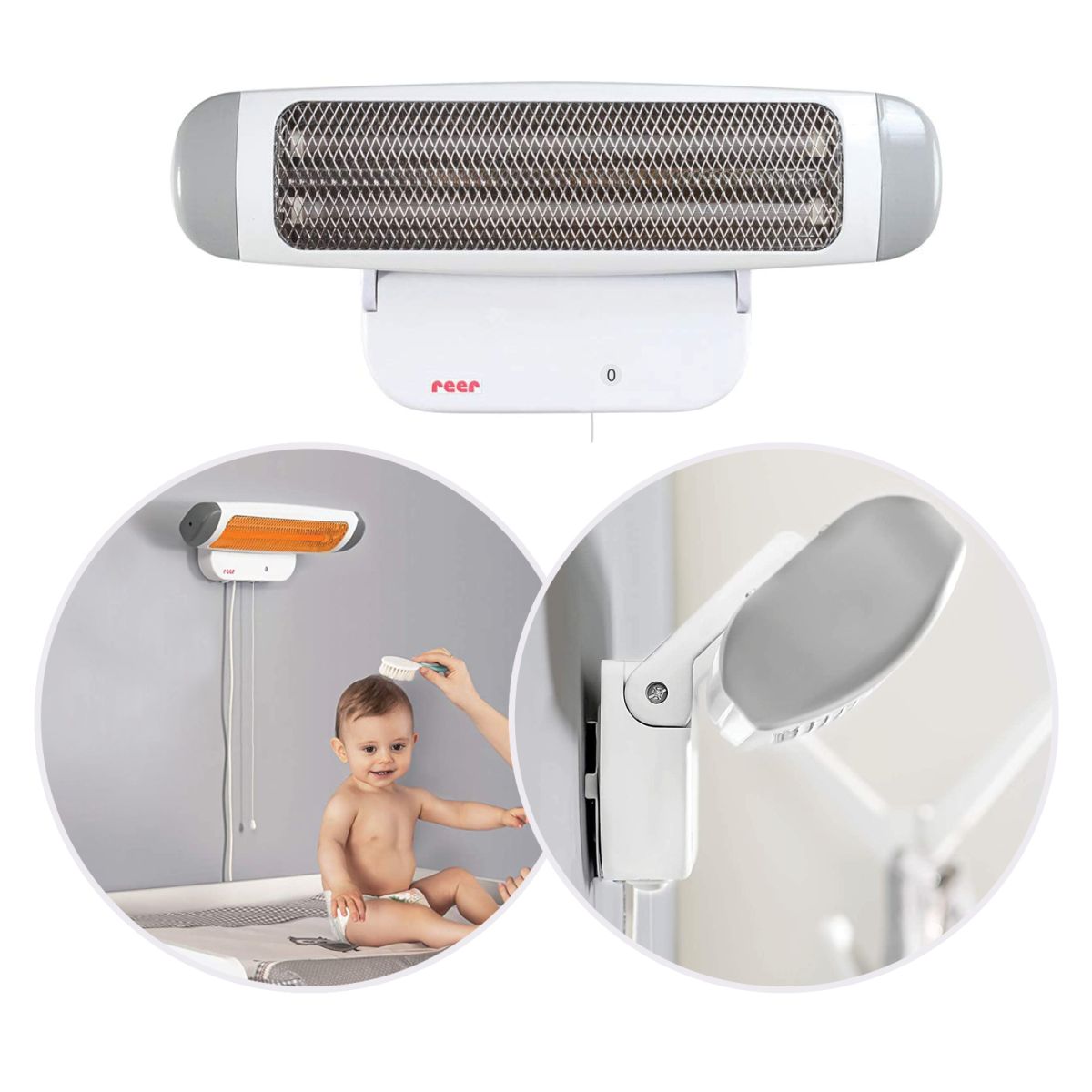
This change in body temperature can put your child at great risk of catching a cold. For this reason, it is important to heat your bathroom. It is even better to put your child under a radiant heater. Here your baby can be comfortably dried down and dressed up.
Ensuring a good atmosphere
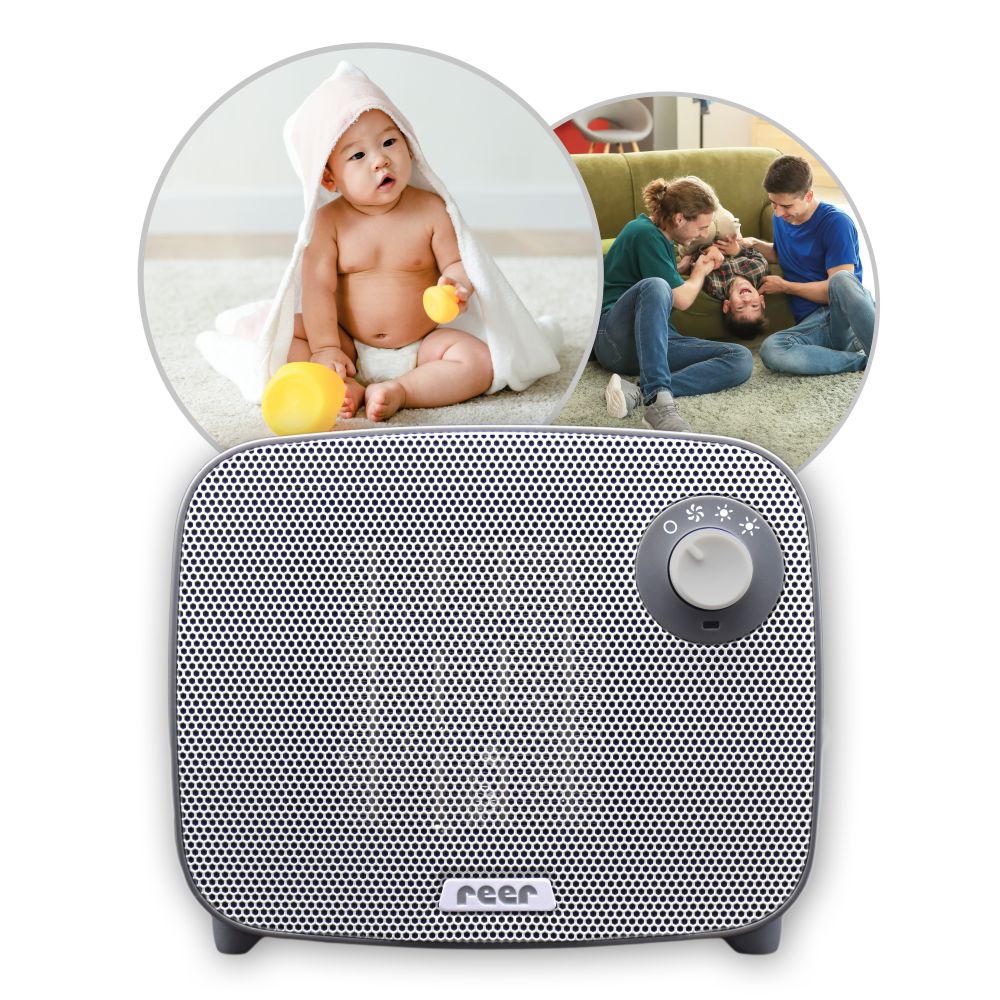
It is not a secret, that the right air has a large impact on our well-being. When it is too cold, our body begins to cool down and then the chance of illness increases. But also, overheating the room is not good either as it can cause sweating. If you sweat and then move into a colder room the danger of illness is even greater than before. Air that is too humid or dry also has a great effect on the well-being of your baby (an air heater can help with that). As with most things in life: somewhere in the middle is best. Thus, regularly air out your room and pay attention to the climate of your room, at best with a thermometer and hydrometer.
What helps against colds?
Which house remedies help your child with their cold?





Caution: Hypothermia!
2in1 FellWell Wickeltisch-Wärmestrahler